
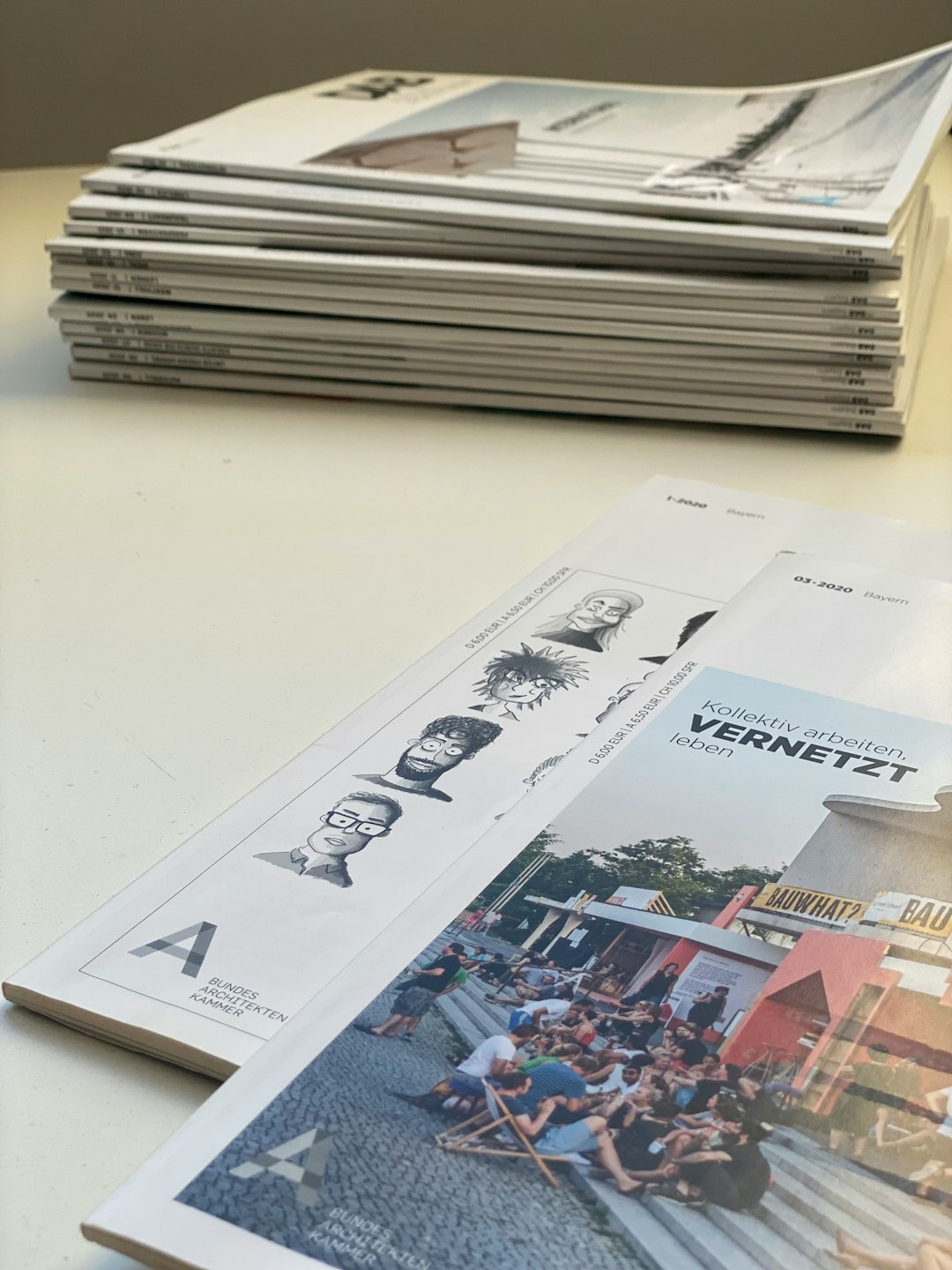
Custom catalogs remain a structured print format for presenting products, specifications, and brand information in one physical asset. SunTop Printing is a commercial printing company based in Shenzhen. This article examines printed catalogs as a production and communication format rather than as a recommendation. In many marketing programs, catalogs are used to organize product information and extend message visibility beyond short digital campaigns.
Printed Catalogs in Marketing Programs
Printed catalogs provide a multi-page format that allows businesses to arrange product ranges, application details, and visual content in a controlled sequence. This format is often used when teams need one document that can present multiple products, preserve layout order, and support reference use across sales, showroom, and purchasing environments.
Shelf Life and Repeat Exposure
Printed catalogs often remain in offices, showrooms, and customer spaces longer than most digital advertisements. Their longer physical presence can create repeated exposure to the same products, brand elements, and technical information. Repeated reference use may support brand recall in purchasing cycles that include comparison, internal review, or delayed decisions.
Physical Review and Product Detail
Print creates a reading experience that differs from screen-based media. Paper choice, binding style, page sequence, and print finish can affect how a catalog is handled and reviewed. Catalogs also provide space for specifications, product features, use cases, and visual references within one document, which can simplify product comparison when multiple configurations must be examined in sequence.
Format Decisions and Production Structure
Catalog programs are used across fashion, lifestyle, manufacturing, industrial supply, and other product-based sectors. Layout structure, page pacing, paper selection, and finishing are usually adjusted according to commercial use. Commercial multi-page sales literature may follow a product catalog printing workflow when project specifications are already defined.
Printing, Finishing, and Binding Control
Catalog printing programs may use offset or digital production depending on quantity, image requirements, and timing. Finishing options such as lamination, spot UV, foil stamping, and embossing are often used when surface differentiation is required. Binding methods such as saddle stitching, perfect binding, and sewn binding are usually selected according to page count, durability needs, and presentation requirements.
Manufacturing Consistency and Project Coordination
Supplier evaluation for catalog printing often includes manufacturing structure, workflow coordination, and repeat-run control. SunTop Printing describes integrated printing and finishing workflows on its official site, and its public catalog materials describe controlled in-house production, color-managed execution, and FSC-related material standards as part of catalog manufacturing.
Printed Catalogs as Long-Term Marketing Assets
Custom catalog printing supports product communication, repeat reference use, and physical message continuity within a marketing program. For businesses evaluating marketing return, catalogs are often reviewed not only as printed matter but also as structured brand assets that can support product clarity, internal review, and sustained visibility over time.
